
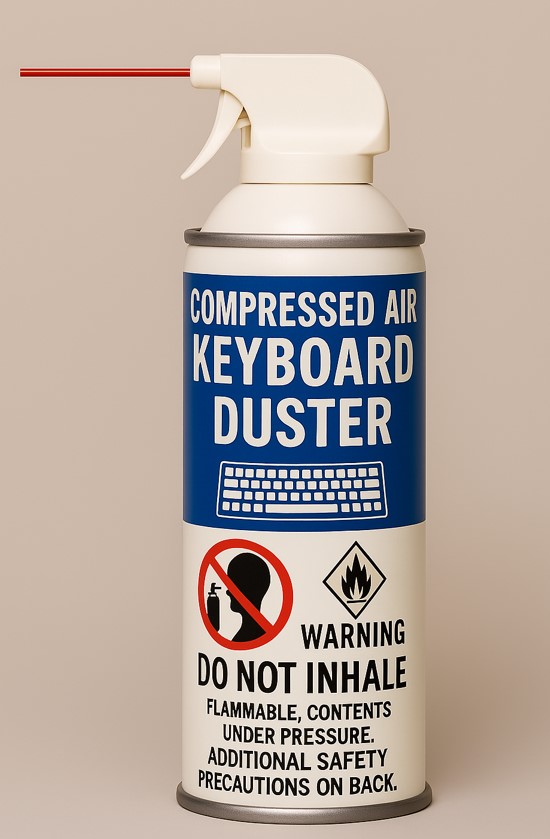
Each year, thousands of individuals are severely injured or die from intentional inhalation of everyday products like computer duster to achieve a euphoric high. When these injuries or deaths lead to lawsuits against manufacturers, plaintiffs often argue that the products were defectively designed or inadequately warned. A recent Tenth Circuit decision reinforces a critical limit on such claims under Kansas law: when the plaintiff’s own criminal conduct is the proximate cause of the harm, recovery is barred.


 The Dallas Court of Appeals sitting en banc recently denied review of a panel decision that reversed an $8.8 million dollar asbestos verdict and rendered a take-nothing judgment in favor of an employer in