Product Safety

On December 2, 2025, Bayer announced that the Solicitor General of the United States,
D. John Sauer1 has recommended the United States Supreme Court take up the Monsanto Co. v. Durnell2 appeal on the Roundup product litigation. The Supreme Court previously invited the Solicitor General to weigh in on the views of the United States.3 In response, Mr. Sauer’s office authored their own petition for a writ of certiorari, agreeing with Monsanto Company (“Monsanto”)’s arguments that the Federal Insecticide, Fungicide, and Rodenticide Act (“FIFRA”)4 preempts state-law failure-to-warn claims concerning Roundup.
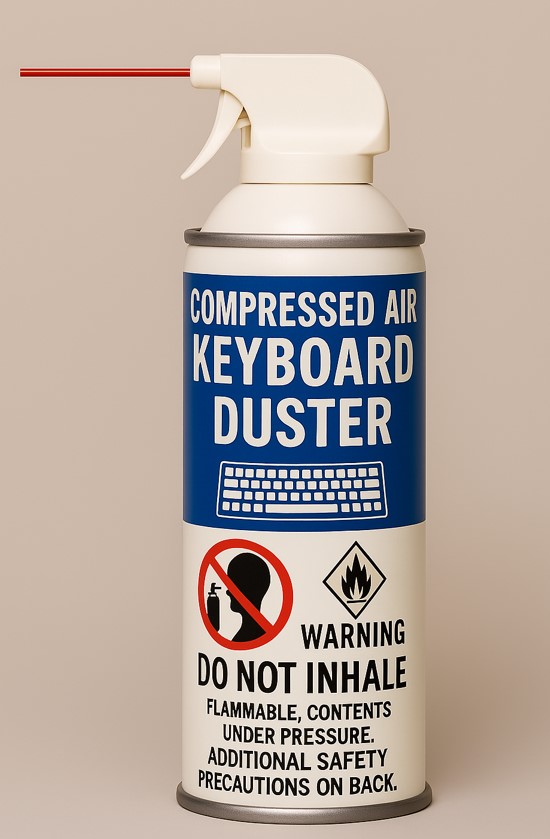
Each year, thousands of individuals are severely injured or die from intentional inhalation of everyday products like computer duster to achieve a euphoric high. When these injuries or deaths lead to lawsuits against manufacturers, plaintiffs often argue that the products were defectively designed or inadequately warned. A recent Tenth Circuit decision reinforces a critical limit on such claims under Kansas law: when the plaintiff’s own criminal conduct is the proximate cause of the harm, recovery is barred.

Synthetic dyes, once regarded as harmless ingredients that simply made foods more visually appealing and marketable, are now the subject of a dynamic bipartisan movement for reform. Thousands of food items in grocery stores in the United States utilize synthetic dyes, which have been linked to potential health risks, including behavioral effects in children and carcinogenicity in animal tests. One of these items, Red Dye No. 3—which is commonly used in candy and cereal—has been identified as carcinogenic by the FDA based on rat studies. Abroad, the EU mandates warning labels, while Australia and Japan restrict or ban them.

In recent years, the market for eco-friendly products has surged, driven by increasing consumer demand for sustainable and environmentally responsible options. However, this trend has also led to a rise in greenwashing claims, where companies are accused of making misleading or unsubstantiated environmental claims about their products. As American businesses strive to capitalize on the green movement, they must navigate the complexities of complying with the Federal Trade Commission’s (FTC) Green Guides to avoid potential liability risks.

On July 23, 2025, the U.S. Supreme Court, in a 6-3 vote, granted the Trump Administration’s request to stay a permanent injunction that had ordered the reinstatement of three Democratic CPSC Commissioners: Mary Boyle, Alexander Hoehn-Saric, and Richard Trumka Jr. (the “Commissioners”), after the Administration fired them from the independent agency without cause.

Relevant History

On December 29, 2023, the California Occupational Safety and Health Standards Board instituted an emergency regulation to address occupational exposure to respirable crystalline silica. This regulation addressed additional safety requirements for businesses involved in cutting engineered stone, improved monitoring for workplace sites, and increasing the ability for workers to report non-compliant employers. These emergency regulations became permanent in February 2025.

On Friday, Judge Matthew J. Maddox of the U.S. District Court for the District of Maryland ruled that the removal of Democratic Commissioners from the Consumer Product Safety Commission (“CPSC”) without cause was unlawful. This decision arises from a lawsuit filed by Commissioners Mary Boyle, Alexander Hoehn-Saric, and Richard Trumka Jr. against President Donald J.

The Kansas Supreme Court recently delivered another strong endorsement of the Protection of Lawful Commerce in Arms Act (PLCAA), further solidifying its role as a shield for lawful commerce in the firearms industry. In Johnson v. Bass Pro Outdoor World, LLC et al., the Court held that the PLCAA bars product liability and negligence claims against manufacturers and sellers when an injury results from a criminal misuse—even if the shooting was in some respects accidental.1