Labeling

On December 2, 2025, Bayer announced that the Solicitor General of the United States,
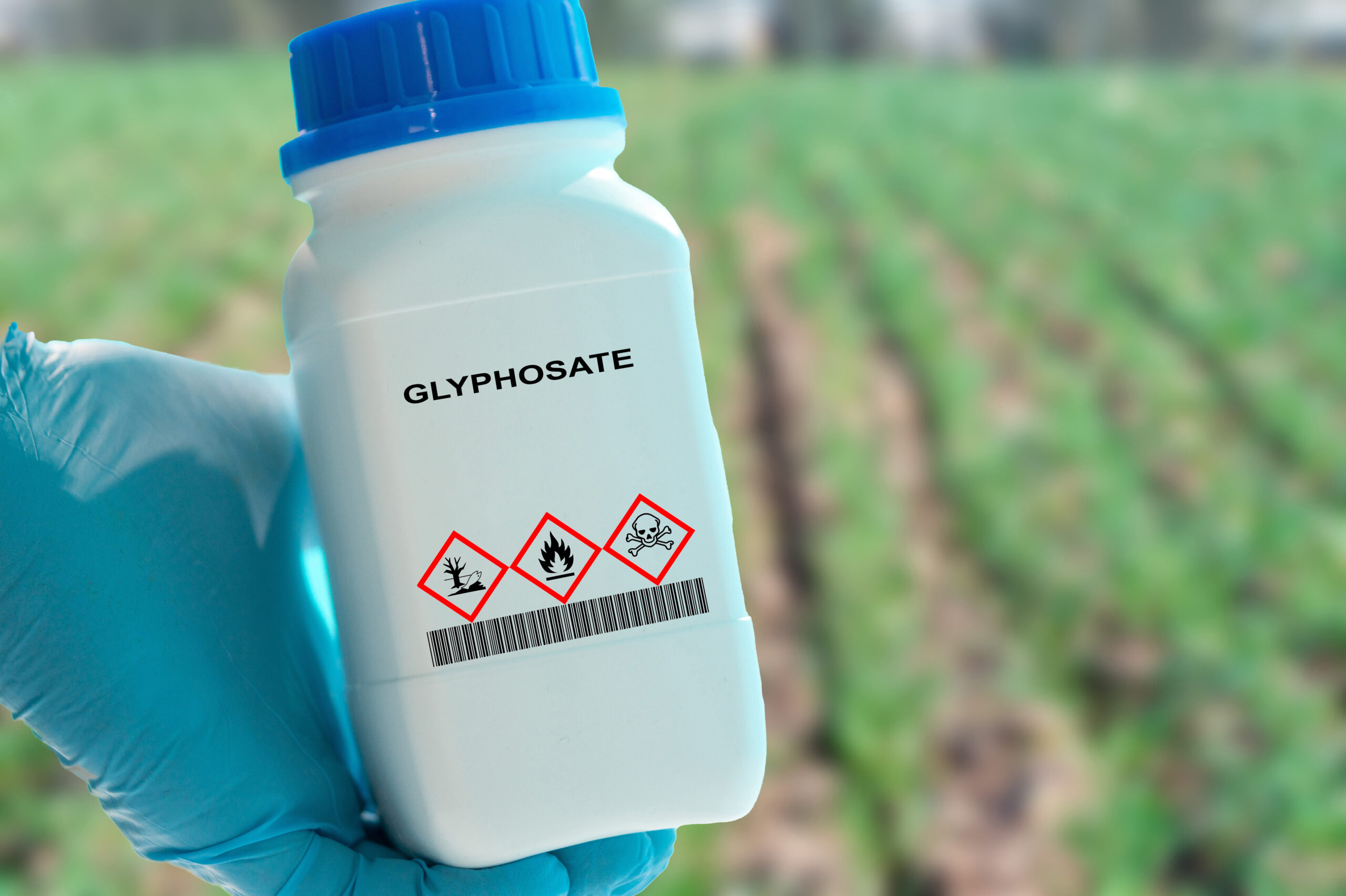
D. John Sauer1 has recommended the United States Supreme Court take up the Monsanto Co. v. Durnell2 appeal on the Roundup product litigation. The Supreme Court previously invited the Solicitor General to weigh in on the views of the United States.3 In response, Mr. Sauer’s office authored their own petition for a writ of certiorari, agreeing with Monsanto Company (“Monsanto”)’s arguments that the Federal Insecticide, Fungicide, and Rodenticide Act (“FIFRA”)4 preempts state-law failure-to-warn claims concerning Roundup.

In recent years, the market for eco-friendly products has surged, driven by increasing consumer demand for sustainable and environmentally responsible options. However, this trend has also led to a rise in greenwashing claims, where companies are accused of making misleading or unsubstantiated environmental claims about their products. As American businesses strive to capitalize on the green movement, they must navigate the complexities of complying with the Federal Trade Commission’s (FTC) Green Guides to avoid potential liability risks.

The United States Court of Appeals for the Third Circuit, in Schaffner v. Monsanto, No. 22-3075 (3rd Cir. 2024), recently held that a state-law duty to warn claim was expressly preempted by the Federal Insecticide, Fungicide, and Rodenticide Act (FIFRA). To reach the conclusion, the 3rd Circuit diverged from the 9th and 11th Circuits, thus creating a split between circuits and providing an opportunity for the United States Supreme Court to step in and make a definitive ruling on FIFRA preemption.  If the Supreme Court were to adopt the 3rd Circuit’s reasoning, FIFRA would preempt any state-law duty to warn claims that were inconsistent with EPA’s approved label for products containing glyphosate.

California Proposition 65, officially known as the Safe Drinking Water and Toxic Enforcement Act of 1986, has long been a significant regulatory framework for businesses operating within the state. Over the summer, the California Office of Environmental Health Hazard Assessment (OEHHA) proposed amendments to its safe harbor warning requirements for consumer products which have sparked considerable discussion among business owners and industry stakeholders.