The proper allocation of the burden of proof during closing arguments is a recurring issue in civil litigation. On August 19, 2025, the Illinois First District Court of Appeals affirmed the trial court’s decision to grant a new trial in Harrell v. City of Chicago, offering important guidance regarding improper burden shifting during closing arguments. 2025 IL App (1st) 240119, ¶ 83. The ruling makes clear that while parties may highlight unrebutted evidence, only defendants may highlight when an expert was not retained to rebut or prove a specific element of the case.

On December 2, 2025, Bayer announced that the Solicitor General of the United States,
D. John Sauer1 has recommended the United States Supreme Court take up the Monsanto Co. v. Durnell2 appeal on the Roundup product litigation. The Supreme Court previously invited the Solicitor General to weigh in on the views of the United States.3 In response, Mr. Sauer’s office authored their own petition for a writ of certiorari, agreeing with Monsanto Company (“Monsanto”)’s arguments that the Federal Insecticide, Fungicide, and Rodenticide Act (“FIFRA”)4 preempts state-law failure-to-warn claims concerning Roundup.

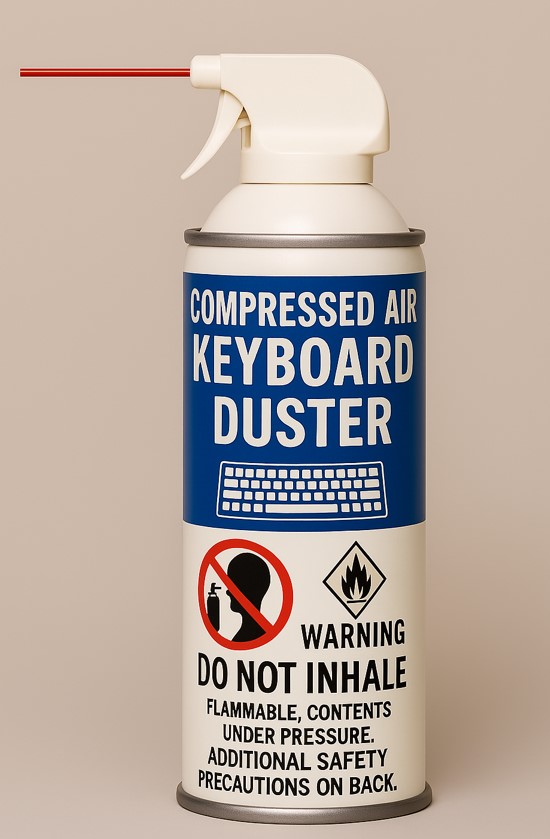
Each year, thousands of individuals are severely injured or die from intentional inhalation of everyday products like computer duster to achieve a euphoric high. When these injuries or deaths lead to lawsuits against manufacturers, plaintiffs often argue that the products were defectively designed or inadequately warned. A recent Tenth Circuit decision reinforces a critical limit on such claims under Kansas law: when the plaintiff’s own criminal conduct is the proximate cause of the harm, recovery is barred.

In August 2025, the Ninth Circuit affirmed a district court’s decision to exclude an expert’s causation opinion as unreliable and grant summary judgment in favor of a herbicide manufacturer. The case, which arose from claims that exposure to an herbicide caused the plaintiff’s blood cancer, underscores the critical importance of rigorous and well-supported expert analysis in toxic tort litigation and the judiciary’s gatekeeping role under Federal Rule of Evidence 702.1

In a significant development concerning Minnesota’s environmental regulations, an administrative court rejected the Minnesota Pollution Control Agency’s (MPCA) proposed rule on per- and polyfluoroalkyl substances (PFAS) reporting and associated fees.1 This decision, issued on
August 29, 2025, highlights procedural and substantive criteria considered in the MPCA’s rulemaking process.2

Introduction

On October 6, 2025, the United States Supreme Court denied certiorari in Syngenta Crop, LLC v. Nemeth, passing on an opportunity to clarify its prior decision in Mallory v. Norfolk Southern and address whether Pennsylvania’s “consent to jurisdiction” statute violates the dormant Commerce Clause. The result: for now, out-of-state corporations registered to do business in Pennsylvania remain subject to general personal jurisdiction in the Commonwealth, regardless of the extent of their in-state operations.

As regulatory scrutiny and litigation risks continue to expand, manufacturers are facing an unprecedented wave of toxic tort and product liability challenges. Substances such as PFAS, silica, benzene, and talc are increasingly at the center of high-stakes lawsuits, with significant implications for the industry.

Join us on November 20, 2025 (noon – 1:00 p.m. CT)

BackgroundPublic Health and the Need for Employer Accountability

Senate Bill 20, also called the Silicosis Training, Outreach, and Prevention (STOP) Act, was signed into law by Governor Newsom on October 13, 2025.1 Senator Caroline Menjivar is on the forefront of this battle to avoid preventable injuries and illnesses by enforcing proper safety measures at fabrication shops.

The bar is rising for the developers of generative artificial intelligence (AI) platforms and other companies that utilize generative AI in public-facing applications. As AI becomes more integrated into everyday products and services—and as litigation involving these uses evolves—avoiding legal liability and maintaining regulatory compliance will be something of a moving target but one that the industry will need to follow closely.